A roof is one of the most important components of any commercial or industrial building, but also one of the easiest to overlook.
Many facilities go year after year without a comprehensive roof inspection, often assuming the roof is in good condition until a problem becomes obvious. By the time water stains, leaks, or interior damage appear, minor defects may have already developed into costly repairs.
Proactive roof inspection isn’t just about preventing leaks, it’s about protecting the building envelope, preserving asset value, reducing disruption, and extending the service life of the roof system itself.
This article details how regular roof inspections give building owners and facility managers the information they need to make smarter maintenance decisions before small issues become major problems.
Why Roof Inspections Matter
A commercial roof is constantly exposed to weather, UV rays, temperature swings, standing water, debris, and mechanical wear. Over time, those conditions can weaken membranes, flashings, seams, drainage systems, and other critical components. Even a roof that looks fine from the ground may hide deterioration that can only be identified during a professional inspection.
Routine inspections help identify early signs of trouble such as:
- Ponding water from poor drainage.
- Cracking, splitting, or open seams.
- Debris buildup that holds moisture against the roof surface.
- Organic growth that can accelerate deterioration.
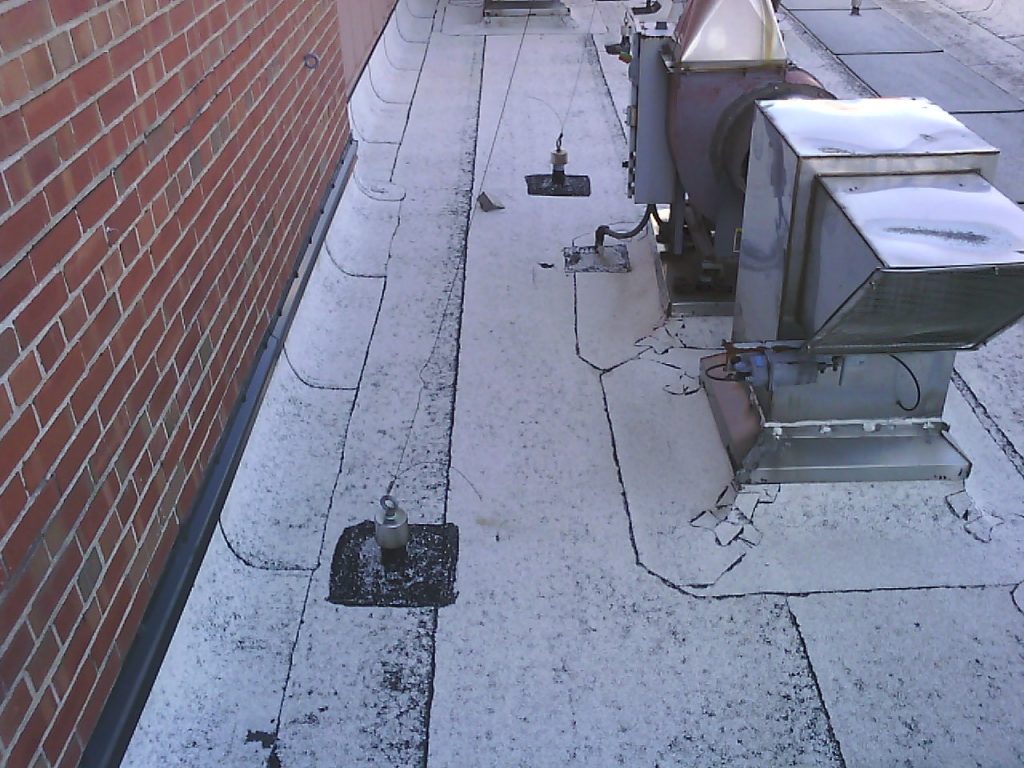
- Damage around parapets, flashings, penetrations, and transition points.
The earlier these conditions are identified, the easier and more cost-effective they are to correct. In many cases, timely maintenance can prevent localized damage from spreading to insulation, interior finishes, equipment, and other building components.
What a Roof Inspection Can Reveal
A thorough roof inspection is designed to uncover both visible and hidden concerns. Inspectors typically evaluate the roof surface, drainage points, seams, flashings, edges, penetrations, and surrounding details to determine whether the system is functioning as intended.
Common issues found during inspection include:
- Areas of standing water or ponding.
- Damaged or deteriorated membrane sections.
- Loose or failing flashing.
- Blocked drains or scuppers.
- Separation around rooftop equipment curbs and penetrations.
- Surface wear caused by weathering, foot traffic, or mechanical activity.
These findings matter because roof problems rarely stay isolated. A small defect in one area can allow moisture to enter the system and spread into other areas, making repairs more complicated and expensive over time.
How Thermal Imaging Adds Value
Thermal imaging has become an especially useful tool for commercial roof inspections because it can reveal issues that aren’t visible during a standard assessment. Infrared cameras detect temperature differences that may indicate trapped moisture, wet insulation, hidden leaks, or areas of heat loss.
This technology is valuable for several reasons:
- It’s non-invasive and doesn’t require destructive testing.
- It can cover large roof areas efficiently.
- It helps pinpoint hidden moisture and compromised insulation.
- It provides documentation that can support maintenance planning and repair decisions.
How Often Roofs Should Be Inspected
For most commercial properties, a roof should be inspected at least twice a year, typically in the spring and fall. Spring inspections help identify damage from winter weather, while fall inspections help prepare the roof for colder temperatures and seasonal storms.
Some facilities may benefit from even more frequent checks depending on the age of the roof, the type of membrane, the building’s location, and the amount of rooftop activity. Roofs with recurring leaks, heavy mechanical traffic, or known drainage concerns should be monitored more closely. Roofs should also be inspected after heavy storms.
A Smarter Approach to Roof Maintenance
A strong roof maintenance program does more than react to leaks. It gives building owners and managers a repeatable process for monitoring roof condition, identifying risks early, and planning maintenance before the roof reaches a critical stage.
An effective program should include:
- Routine visual inspections.
- Thermal imaging when appropriate.
- Post-storm assessments.
- Documentation of problem areas and repairs.
- Ongoing attention to drainage, flashings, and penetrations.
Protecting the Building Envelope
The roof isn’t an isolated system! It works together with walls, parapets, flashings, insulation, and drainage components to protect the building envelope as a whole. If one part of that system fails, the effects can spread quickly into other areas.
Regular roof inspections are one of the simplest and most effective ways to protect a commercial property. They help identify small issues before they become major repairs, extend roof life, support energy efficiency, and reduce the risk of costly building damage.
Whether performed on a seasonal schedule, after severe weather, or as part of a broader building-envelope program, roof inspections provide the information needed to maintain a safer, stronger, and more durable facility. For building owners and managers, that makes proactive inspection a smart investment rather than an optional expense. Contact us today to schedule your inspection!