
A commercial building represents a significant investment. While regular maintenance is essential for protecting that investment, one area that is often overlooked is the building envelope: the system that separates the interior of a building from the outside environment.
The building envelope includes exterior components such as roofs, walls, windows, doors, foundations, and other areas where these systems connect. Together, these components protect the structure from moisture, air infiltration, temperature changes, and other environmental conditions.
When the building envelope performs properly, it helps maintain occupant comfort, energy efficiency, and structural durability. However, small issues like a failed seal, minor crack, or damaged exterior material can eventually lead to expensive repairs if they are not identified early.
Why Building Envelope Inspections Matter
Many building envelope problems develop slowly over time. A small water leak behind a wall assembly may not be visible until significant damage has occurred. By the time interior damage appears, repairs may involve not only exterior components but also insulation, structural materials, finishes, and occupied spaces.
Regular building envelope inspections allow property owners and managers to:
- Identify developing issues before they become major problems
- Extend the service life of exterior building systems
- Reduce unexpected repair costs
- Improve energy efficiency
- Protect occupants and visitors
- Support long-term capital planning
A proactive inspection approach gives owners the information they need to make informed decisions rather than reacting to emergency situations.
Common Building Envelope Problems
Over time, buildings are exposed to weather, temperature changes, moisture, and normal material movement. These conditions can contribute to a variety of issues, including:
Water Intrusion
Water infiltration is one of the most common causes of building deterioration. Failed flashing, deteriorated sealants, damaged roofing systems, and cracks in exterior walls can allow moisture to enter the building.
Unchecked water intrusion can contribute to:
- Interior damage
- Mold growth
- Reduced indoor air quality
- Corrosion of structural components
- Degradation of insulation and finishes
Exterior Wall and Façade Deterioration
Exterior walls and façade systems must withstand years of exposure to wind, rain, freeze-thaw cycles, and temperature changes. Cracks, loose materials, staining, efflorescence, or deteriorated joints may indicate underlying issues requiring further evaluation.
For taller buildings and properties in urban areas, façade deterioration can also create safety concerns if materials become loose or unstable.
Air Leakage and Energy Loss
A compromised building envelope can allow conditioned air to escape and outdoor air to enter. This can increase energy costs while making interior spaces less comfortable.
Identifying air leakage, insulation deficiencies, and thermal performance issues can help improve building efficiency and reduce operating expenses.
What Happens During a Building Envelope Inspection?
A comprehensive inspection evaluates the condition and performance of exterior building systems. Depending on the property and suspected issues, engineers may use a combination of visual evaluations, tactile inspection testing methods, and diagnostic tools.
A typical inspection may include:
- Review of available drawings and building history
- Interviews of building users
- Visual and tactile examination of exterior materials
- Assessment of roofs, walls, windows, doors, and transitions
- Investigation of moisture-related concerns
- Documentation of deficiencies with photographs
- Recommendations for repairs or further testing
- Repair priority and estimates
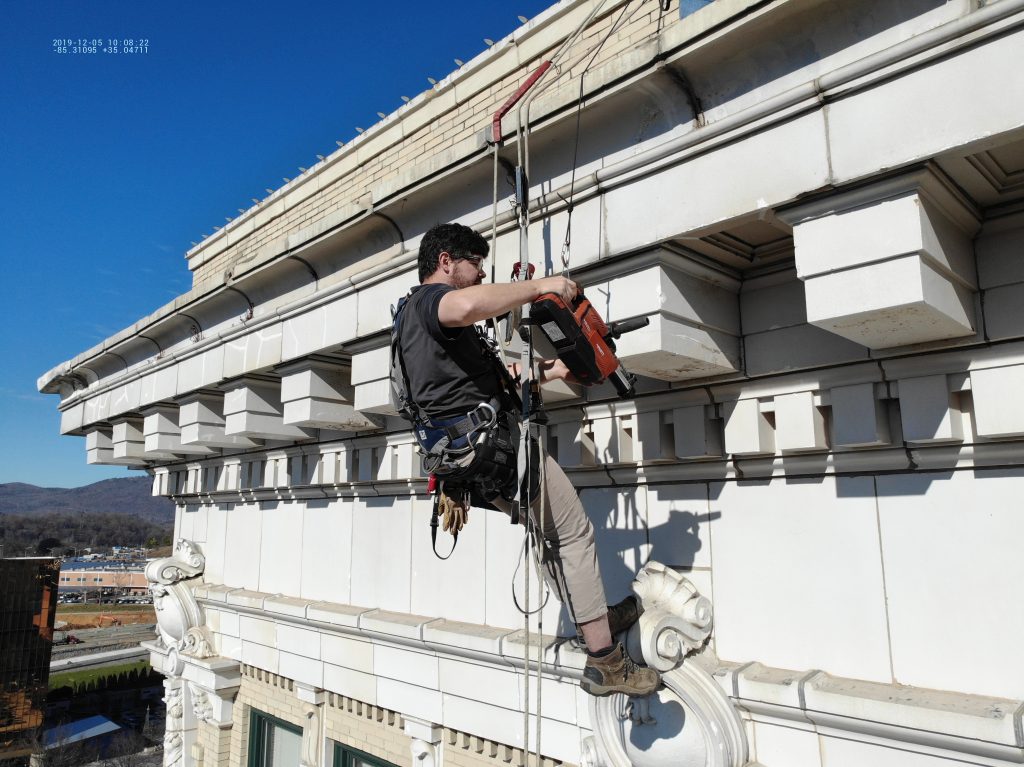
Advanced tools such as infrared thermal imaging, drone inspections, rope access, and other diagnostic methods may also help identify problems that are difficult to detect through visual inspections alone.
Inspections Help Reduce Liability
Building owners have a responsibility to maintain safe properties. A proactive building envelope inspection program can help reduce risks associated with deteriorated materials, water damage, and unexpected failures.
Detailed inspection reports provide valuable documentation by:
- Establishing current building conditions
- Prioritizing repairs based on severity
- Supporting budgeting and maintenance planning
- Helping owners address issues before they escalate
For many property owners, the cost of identifying a problem early is significantly less than responding to extensive damage after a failure occurs.
Plan Repairs with Confidence
One of the biggest advantages of a professional building envelope inspection is understanding the root cause of problems before beginning repairs.
Without a proper evaluation, property owners may invest in repairs that only address symptoms rather than the underlying issue. A thorough assessment helps determine what needs to be repaired, why it failed, and what solutions will provide lasting performance.
This information can help avoid unexpected change orders, project delays, and unnecessary expenses during restoration efforts.
Protect Your Building with a Proactive Inspection Strategy
Your building envelope is your property’s first defense against the elements. Routine inspections and timely maintenance can help preserve your investment, improve performance, and protect the people who use your building every day.
Whether you are managing an aging facility, planning future renovations, or addressing concerns about water intrusion or exterior deterioration, a building envelope inspection provides the information needed to make smart decisions.
Early detection is the key to preventing minor issues from becoming major problems.
Don’t Put off a Building Envelope Inspection! Schedule Today
Need a building envelope inspection you can rely on? We use the highest standards to determine the safety of your building.
Our state-of-the-art techniques provide a very thorough condition assessment. The time to know the true extent of any deficiencies is now, not after the restoration contractor has started work – which would lead to change orders and damaged reputations. Contact us today!