
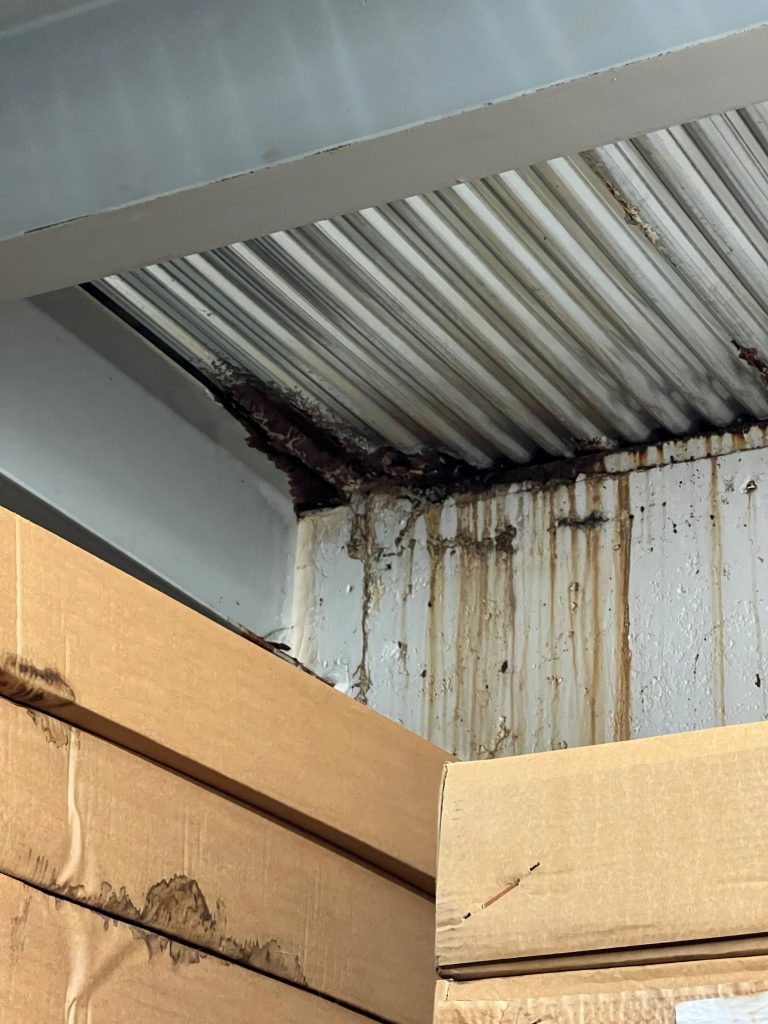
Are you confident your facility is ready for freezing temperatures?
Do you worry that a hidden leak, heating problem, or icy entrance could disrupt your operations and add another unexpected expense to your budget?
When you’re responsible for a building, winter preparation can feel like one more priority competing for your attention.
This article explains how taking time to address vulnerable areas before cold weather arrives can help protect your property, support occupant comfort, and reduce the likelihood of emergency repairs.
Start With a Walk-Through of Your Property
A seasonal walk-through can help you identify concerns that need attention before snow and ice make repairs more difficult.
Focus on areas where water can enter, collect, or freeze:
- Roof surfaces and flashing around vents and other openings.
- Gutters, downspouts, roof drains, and drainage outlets.
- Exterior doors and windows with damaged seals or noticeable drafts.
- Parking areas, walkways, and entrances with existing damage or drainage concerns.
Document what you find with photos and a maintenance list. This gives your team a starting point for repairs and a record of conditions before winter weather arrives.
Give Your Heating System a Head Start
Your heating system needs to do more than keep occupied spaces comfortable. It also helps protect areas containing plumbing and other temperature-sensitive equipment.
Have your service provider review seasonal schedules and confirm that your building’s controls are appropriate for cold-weather conditions.
Protect Plumbing and Fire Protection Systems
A frozen pipe can quickly turn a quiet weekend into a major disruption. Plumbing in unheated rooms, along exterior walls, or near cold drafts deserves extra attention.
Fire sprinkler systems also need a winter readiness review. Ask a qualified fire protection contractor to check freeze-prone components and complete maintenance appropriate to your system. For dry-pipe systems, that includes addressing residual water that could freeze in low points.
Rather than relying on a general cold-weather checklist alone, establish procedures suited to your building’s plumbing, heating, and fire protection systems.
Keep Roofs and Drainage Systems Clear
Winter preparation is as much about managing water as it is about managing snow.
Leaves and debris can block drainage, allowing water to collect and freeze. Before temperatures drop, arrange for roof drains, gutters, downspouts, and other drainage paths to be cleared. Have damaged roofing and vulnerable flashing evaluated so existing openings do not become winter leaks.
Your winter plan should also account for areas where ice could fall from roofs or overhangs. Identify these locations in advance and establish appropriate barriers, signage, or access restrictions when conditions create a hazard.
Prepare Parking Areas and Walkways for Safe Access
Employees, tenants, and visitors need dependable access to your facility, even when conditions change overnight.
Confirm snow removal arrangements before the first storm. Your plan should identify priority routes, service expectations, and responsibility for entrances, sidewalks, loading areas, and parking spaces. Stock appropriate ice-melt products and make sure snow removal equipment is ready for use.
If your facility includes a parking structure, give it special attention. Snow removal methods and deicing products need to be compatible with the structure and its protective surfaces.
Make Your Winter Response Plan Easy to Follow
When severe weather arrives, your team should not have to guess who to call or what to do first. Create an accessible plan that includes:
- Current emergency contacts for heating, plumbing, electrical, roofing, and restoration services.
- Clear responsibilities for weather monitoring and after-hours response.
- Procedures for reporting leaks, heating problems, and icy conditions.
- Snow removal priorities and communication expectations.
- Maintenance checks for backup generators, where installed.
Keep records of inspections, repairs, snow removal, and deicing activity throughout the season. These records help your team track completed work and document how changing conditions were addressed.
Take a Proactive Approach to Your Facility’s Winter Needs
You don’t need to solve every maintenance issue at once. Start by identifying the concerns most likely to affect safety, essential operations, and your building’s condition. Then assign responsibility and schedule the work before severe weather limits your options.
A little preparation can help you approach winter with fewer unanswered questions. If your seasonal inspection reveals damaged concrete, deteriorated joints, or concerns about your parking structure or building water intrusion, contact IEI to discuss an evaluation and appropriate next steps. Addressing these conditions before snow and ice arrive can help you make informed decisions about protecting your facility.